Author

Ronald Burgos

Browsing

Key Takeaways

Skilled AV technicians help create immersive event experiences through expert equipment operation, troubleshooting, and on-site support.

Diverse audiovisual solutions allow events to use equipment specifically suited to their venue, audience, and objectives.

High-definition displays improve visual storytelling, audience engagement, and brand presentation.

Professional lighting design transforms event spaces and helps establish the desired atmosphere and mood.

Audio visual companies in Dallas can provide flexible rental packages that accommodate different event requirements and budgets.

Building long-term relationships with AV providers can lead to customized solutions, reliable support, and smoother event planning.

Real-world Dallas events demonstrate how professionally designed AV setups can increase audience engagement and overall event satisfaction.

How Audio Visual Expertise Drives Event Success in Dallas

Skilled Technicians Create Immersive Experiences

For memorable events, the expertise of skilled AV technicians is invaluable. These professionals understand how to operate modern audiovisual equipment while responding quickly when technical issues arise. Their ability to troubleshoot problems on-site can make a significant difference in keeping presentations, performances, and other event activities running smoothly.

Every event presents unique challenges based on the venue, audience size, program, and equipment requirements. Experienced technicians can adapt their approach to these conditions and make real-time adjustments when necessary. This adaptability helps transform a basic presentation into a more engaging and immersive experience.

Working with professional audio visual companies in Dallas also gives event organizers access to technicians who understand how different AV components work together. From sound and video to lighting and presentation systems, proper coordination helps ensure that every element supports the event’s goals.

Diverse Equipment Solutions Improve Event Experiences

Not every event requires the same audiovisual setup. A corporate conference may need large displays, wireless microphones, and presentation systems, while a concert may require powerful speakers, stage lighting, and specialized visual effects.

Professional AV providers evaluate the event’s specific requirements before selecting equipment. This tailored approach helps ensure that the technology supports the venue and audience rather than creating unnecessary complexity.

For example, an event in a large convention center may require multiple displays and distributed sound systems, while a smaller corporate gathering may benefit from a simpler setup. Choosing the appropriate combination of equipment can improve visibility, sound quality, and overall audience engagement.

Maximizing Engagement Through Visual Storytelling

High-Definition Displays Captivate Audiences

High-definition displays can significantly improve how audiences experience presentations and visual content. Sharp images, readable text, videos, and branded graphics help capture attention and make information easier to understand.

For corporate events, high-quality displays can reinforce branding while presenting important information in a visually compelling format. At conferences, large screens can ensure that attendees throughout the venue have a clear view of speakers, presentations, and supporting content.

Professional AV teams can also determine the appropriate screen size, placement, brightness, and resolution based on the venue. This attention to detail helps create a consistent viewing experience and keeps audiences focused on the event.

Lighting Design Transforms Atmosphere and Mood

Lighting is another important component of successful event production. It does more than illuminate a stage or presentation area-it can establish an atmosphere and influence how attendees experience the event.

Warm lighting can create an intimate and welcoming environment, while dynamic lighting can add energy to concerts, celebrations, and product launches. Corporate events may benefit from clean, professional lighting that keeps speakers clearly visible while reinforcing the company’s visual identity.

AV professionals can combine ambient, task, and accent lighting to create a cohesive environment. Lighting can also be adjusted throughout an event to match different activities, such as keynote presentations, networking sessions, award ceremonies, or entertainment.

Effective lighting does more than improve visibility; it helps shape the audience’s emotional experience.

Cost-Effective Solutions From Dallas AV Companies

Flexible Rental Packages Support Different Budgets

Professional AV services do not necessarily require organizations to purchase expensive equipment. Rental packages can provide access to professional-grade technology while allowing clients to select only the equipment their event actually requires.

Packages may include sound systems, microphones, projectors, LED displays, stage lighting, video equipment, and technical support. By customizing the equipment package, event organizers can avoid paying for unnecessary technology.

Transparent pricing is equally important. Before an event, clients should understand equipment costs, setup fees, technician charges, transportation expenses, and any additional services. Clear estimates make it easier to manage budgets while still achieving a professional event experience.

Long-Term Partnerships Provide Greater Value

Establishing a long-term relationship with an AV provider can make future event planning easier. Once a provider understands a client’s brand, preferred equipment, event format, and expectations, future projects can often be planned more efficiently.

Long-term partnerships can also improve communication. Event planners know who to contact, technicians understand existing requirements, and both sides can identify potential challenges earlier in the planning process.

Benefits may include:

  • Customized AV solutions for recurring events
  • Easier communication and event coordination
  • Access to current audiovisual technology
  • More predictable budgeting
  • Reliable technical support

Dallas Event Success: How Professional AV Makes a Difference

Customized AV Setups Increase Audience Engagement

A well-designed AV setup can have a direct impact on how audiences interact with an event. Interactive displays, clear sound systems, large-format screens, and coordinated lighting can make presentations more engaging and easier to follow.

Consider a large corporate conference in Dallas. Multiple presentation screens could allow attendees throughout the venue to follow speakers clearly, while interactive technology could encourage participants to respond to polls or participate in live discussions.

The objective isn’t simply to add more technology. Instead, every component should serve a purpose. When audiovisual technology is aligned with the event’s objectives, it can strengthen communication and improve the overall attendee experience.

Collaboration With AV Professionals Improves Event Execution

Event planners manage numerous responsibilities, including scheduling, vendors, budgets, speakers, entertainment, and guest experiences. Having a professional AV team handle the technical side can reduce some of this workload.

Strong communication between event planners and AV technicians allows potential problems to be identified before the event begins. Pre-event consultations, equipment testing, venue inspections, and rehearsals can help ensure that the final setup meets expectations.

“Successful AV production is built on preparation, communication, and attention to detail.”

This collaborative approach can provide event organizers with greater confidence. Instead of worrying about technical problems, planners can focus on delivering the broader event experience.

Why Professional AV Services Matter for Dallas Events

From corporate conferences and trade shows to concerts, galas, and private celebrations, audiovisual technology can influence how attendees see, hear, and interact with an event. Skilled technicians, carefully selected equipment, high-definition displays, strategic lighting, flexible rentals, and strong vendor relationships all contribute to better event execution.

For organizations planning an event in Dallas, choosing an experienced AV provider can help turn a standard gathering into a polished and memorable experience. The goal isn’t simply to use advanced technology-it’s to use the right technology in the right way to support the event’s purpose.

FAQ

What types of events benefit from professional AV services?

Corporate conferences, trade shows, conventions, concerts, product launches, weddings, galas, and other large gatherings can benefit from professional AV services. The right setup improves communication, visibility, sound quality, and audience engagement.

How can businesses choose the right AV company in Dallas?

Businesses should consider experience, equipment selection, technician support, customer reviews, pricing transparency, and the company’s ability to customize services. Discussing event requirements before hiring can also help determine whether a provider is a good fit.

Why are skilled AV technicians important?

Technicians operate and monitor audiovisual equipment throughout the event. They can also identify and resolve technical problems quickly, helping minimize disruptions and keeping presentations or performances on schedule.

How does lighting affect an event?

Lighting can influence visibility, atmosphere, branding, and audience mood. Professional lighting designers can create different effects for presentations, entertainment, networking, and other portions of an event.

Are AV rental packages suitable for smaller events?

Yes. Rental packages can be customized according to event size and requirements. Smaller events may only need microphones, speakers, displays, and basic lighting rather than a comprehensive production setup.

How can AV technology improve audience interaction?

Interactive displays, live polling, digital presentations, Q&A systems, and other technologies can encourage attendees to participate instead of simply watching a presentation.

What should clients expect during AV setup?

Clients should generally expect a planning consultation, equipment selection, venue assessment, installation, testing, and technical support. Larger events may also require rehearsals before attendees arrive.

Can professional AV services support hybrid events?

Yes. AV teams can support hybrid events through cameras, microphones, streaming systems, presentation displays, and other technologies designed to connect in-person and remote audiences.

Useful Resources

A single handshake can open doors, but the business card you leave behind is what stays in a pocket, wallet, or mind. The right paper transforms a simple card into a powerful statement about your brand, professionalism, and attention to detail. That’s why choosing the right business card paper is more than a technical decision, it’s a strategic one.

Understanding the Importance of Paper Choice in Business Cards

When you hand out a business card, the paper’s weight, texture, and finish speak before you do. The subtle heft of a quality card stock or the unique texture of linen can instantly elevate your perceived value. People unconsciously judge the credibility and seriousness of a business based on these tactile cues.

At a recent networking event, two professionals handed out their cards. One was a flimsy, glossy rectangle that felt more like a flyer than a calling card. The other was a linen card, sturdy yet inviting, with a textured surface that encouraged a second touch. Guess which one sparked more conversation and follow-up messages the next day?

Exploring Different Types of Business Card Paper

Linen business card paper stands out for its woven texture, offering a premium feel that’s hard to ignore. Linen’s subtle crosshatch pattern not only looks sophisticated but also feels distinguished in the hand, signaling thoughtfulness and quality.

By contrast, pearl and soft-touch stocks cater to different brand vibes. Pearl paper adds a shimmering, almost iridescent effect, perfect for creative industries or luxury products. Soft-touch cards have a velvety finish that feels modern and approachable, appealing to startups or tech companies. Each paper type makes a different statement, so your choice should align with how you want your brand to be remembered.

During a luxury brand launch in Montreal, organizers selected linen cards for their tactile, understated elegance. Guests remarked on the memorable texture and the way the paper seemed to mirror the brand’s promise of refined quality. This single choice turned what could have been a disposable piece of collateral into a keepsake.

Key Paper Characteristics to Evaluate

Thickness matters, not just for durability but for perception. A 13pt linen stock, for example, is thick enough to stand out from standard cards without feeling bulky. Heavier stocks resist bending and wear, ensuring your contact information survives the journey from wallet to desk.

Finish is equally important. Uncoated linen cards, like those offered without lamination, maintain their tactile charm and allow for easy writing, while glossy finishes highlight color vibrancy but can feel slick and less personal.

Printing compatibility is critical for achieving bold, accurate colors. Look for papers that support full-color printing in CMYK and can handle high-resolution (at least 300 dpi) artwork. This ensures crisp logos and sharp text, vital for legibility and brand consistency.

Brand recognition often hinges on these details. When a boutique switched from shiny, off-the-shelf cards to textured linen with rich black text, their customers immediately noticed the change. Sales associates even found clients mentioning the cards during follow-up visits.

Practical Considerations for Printing and Design

A bit of preparation saves a lot of headaches. Always extend your design 0.125 inches beyond the final trim size to ensure full-bleed printing, and keep essential text and elements within a “safe zone” so nothing vital gets cut off. Submit artwork as a high-resolution PDF (300 dpi), with all fonts converted to outlines for consistent results.

For black areas, use a rich black (C=40%, M=40%, Y=30%, K=100%) for backgrounds, and pure black (K=100%) for small text to achieve sharp, true blacks. Quantity matters, too. Standard sizes like 3.5″ x 2″ fit most wallets and holders; choose a quantity that matches your networking goals, from a starter batch of 250 to corporate orders in the thousands.

One designer shared a cautionary tale: a missing bleed led to cards with unwanted white borders, forcing a costly reprint. Attention to these technical details can mean the difference between a flawless finish and an expensive mistake.

Customization Options and Their Impact

Rounded corners, spot UV accents, or foil stamping can elevate a card from practical to unforgettable. While these features add to cost, they also increase the chance that your card will be kept and remembered.

At a startup’s grand opening, custom linen cards with rounded corners and subtle embossing delighted guests, who often commented on the card as much as the pitch. Customizations like these help a new business stand out in a competitive market, even before a conversation begins.

Balancing Cost, Quality, and Quantity

Not every business needs the most expensive stock, but cutting corners on paper can backfire. Bulk ordering typically lowers the price per card, making higher-end options more accessible for larger events or growing teams.

For freelancers, quality may outweigh quantity, a smaller batch of premium linen cards can make more impact than thousands of basic prints. Corporate clients, however, may prioritize volume and consistency across multiple locations. The key is striking the right balance for your brand and budget.

Final Checklist for Selecting the Perfect Business Card Paper

– Does the paper reflect your brand identity, luxurious, approachable, innovative, or classic?

– Have you tested samples to compare look and feel before committing?

– Is the thickness, finish, and print quality in line with what you want to communicate?

– Are you prepared for technical requirements like bleed, safe zones, and rich black usage?

Learning from real-world examples and avoiding common pitfalls goes a long way. For those looking to make a lasting impression with both style and substance, resources like Doculand linen business cards offer a practical starting point to explore premium materials and finishes.

In the end, the perfect business card is one that makes people stop, look twice, and remember you for all the right reasons. Choose your paper wisely, your next opportunity might depend on it.

Choosing a roofing company is an important decision because the quality of the work affects your home’s protection for years to come. A low estimate or attractive advertisement does not always reflect the level of service, materials, or workmanship a contractor provides. Taking time to compare companies carefully can help homeowners avoid costly mistakes.

Homeowners researching roofing companies, such as Aspen Contracting in Uniontown, usually compare experience, customer service, and project quality before making a decision. The guide below explains what to evaluate so you can confidently compare roofing contractors in Uniontown.

Review Experience With Similar Roofing Projects

Every roof has unique challenges based on its age, design, materials, and previous repairs. A contractor who has completed projects similar to yours is more likely to recognize potential concerns early and recommend practical solutions that fit your home.

How to Verify a Contractor’s Experience

  • Ask about projects similar to your roof.
  • Request local references when available.
  • Review completed roofing work in Uniontown.
  • Confirm experience with your roofing material.
  • Discuss how unexpected repairs are managed.

Compare Inspection and Consultation Quality

A detailed roof inspection provides valuable information before any recommendations are made. Contractors should explain the roof’s condition clearly instead of providing a quick estimate without discussing visible concerns or possible solutions.

Signs of a Thorough Roof Inspection

  • Roof surfaces are examined carefully.
  • Flashing, vents, and drainage areas are reviewed.
  • Photos help explain existing damage.
  • Repair and replacement options are discussed.
  • Questions are answered before the estimate.

Evaluate Communication Throughout the Project

Good communication helps homeowners understand each stage of the roofing project. Clear explanations reduce confusion and make it easier to plan for scheduling, material delivery, and project completion.

Questions That Reveal Good Communication

  • Who will be your main point of contact?
  • How are project updates provided?
  • How quickly are customer questions answered?
  • How are unexpected issues explained?
  • What communication methods are available?

People comparing contractors, such as Aspen Contracting in Uniontown, may also evaluate how clearly each company explains inspections, estimates, warranties, and project timelines before making a final decision.

Review Roofing Materials Carefully

Different roofing products offer different levels of durability, maintenance requirements, and weather protection. Comparing material options helps homeowners choose a solution that fits both their budget and long-term expectations.

How to Compare Roofing Materials

  • Review expected product lifespan.
  • Compare weather resistance.
  • Ask about maintenance needs.
  • Evaluate manufacturer warranties.
  • Consider appearance alongside durability.

Understand Warranty Coverage Before Signing

Warranty protection provides peace of mind after installation is complete. Reviewing warranty details carefully helps homeowners understand what is covered and how future service requests will be handled.

What to Review Before Accepting a Warranty

  • Workmanship warranty terms.
  • Manufacturer warranty coverage.
  • Warranty exclusions.
  • Transferability to future owners.
  • Claim procedures if repairs become necessary.

Compare More Than the Final Price

The lowest estimate does not always represent the best overall value. Looking at project details, material quality, warranty protection, and customer support provides a more complete comparison before making a decision.

A Better Way to Compare Roofing Estimates

  • Review the complete scope of work.
  • Compare material specifications.
  • Confirm cleanup and disposal services.
  • Review estimated completion timelines.
  • Consider long-term value instead of price alone.

Documents Worth Requesting Before Hiring a Roofing Company

Preparing these documents before signing a contract helps homeowners compare proposals with greater confidence.

Helpful Documents to Request

  • Written project estimate.
  • Proof of insurance.
  • Warranty documentation.
  • Material specifications.
  • Project timeline.
  • Contact information for project supervision.

Comparing roofing companies requires more than reviewing prices. Experience, inspection quality, communication, material selection, warranty coverage, and complete project details all contribute to a successful roofing project. Taking time to evaluate these factors helps homeowners in Uniontown choose a contractor with greater confidence while reducing the risk of costly mistakes and unexpected surprises.

Turbines are critical components in many industries, including power generation, oil and gas, manufacturing, and aviation. These powerful machines operate under extreme conditions, including high temperatures, intense pressure, and rapid rotational speeds. Because of these demanding environments, turbines require regular maintenance and professional repair to ensure safe and efficient operation. Quality turbine repair services play a vital role in maintaining equipment reliability, preventing costly downtime, and extending the lifespan of these valuable assets.

Maintaining Operational Efficiency

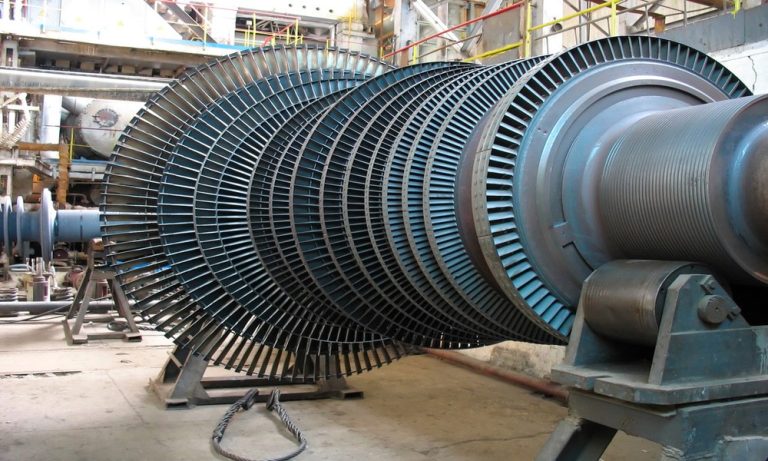
The need to stay operational is one of the most significant reasons why quality turbine repair services should be invested in. The rotor, bearings, seals, and blades are some of the turbine components which may wear and tear over time. Any minor defects in these components may also lower the efficiency of the entire system.

An example is the broken or eroded blades which can interfere with the airflow, lowering the capacity of the turbine to produce any power. Likewise, mismatched rotors or damaged bearings might cause friction and vibration that could cause energy waste and reduced production. As a remedy to these, professional repair services solve these problems by repairing the parts to their original state as well as to bring the turbo to serve at its best performance levels.

The efficiency will enable the companies to minimize the wastage of energy, the cost of operation, and the productivity of the equipment.

Preventing Costly Equipment Failures

Turbine systems are also complicated and costly machines. The small problems can easily turn out to be the major mechanical failures when they are not addressed. Even a single crack in a blade of the turbine or a minor imbalance in the rotor will lead to severe damages should not be dealt with on time.

Other services such as quality turbine repairs come with comprehensive checks and diagnosis to identify any early signs of damage. The high-tech equipment employed by skilled technicians to detect any concealed issues prior to its being critical is vibration analysis, thermal imaging, and borescope inspections.

Early identification enables technicians to repair or replace the affected parts before a total breakdown of a system can take place. This active measure has a powerful impact on the minimization of the risk of emergency shutdown, high cost of repairs, and long off-line.

Ensuring Workplace Safety

The issue of safety is one of the main concerns in the industry that depends on turbines. The machines are extremely fast and hot in nature, and therefore, any failure would be very risky to both employees and plants. Turbines that are not well looked after can either cause mechanical failures, fire, or any other risk situations.

Good repair services of turbines contribute to the safety of the operating conditions by making sure that everything works properly. The technicians that are experienced stick to high repair standards and protective standards in carrying out the maintenance work. They also confirm that repaired turbines are of specifications and regulations to the manufacturer and the industry as well. Go here for reference.

Organizations can save their employees, minimize liabilities and ensure that their working environment is safer by giving importance to proper repair and maintenance.

Extending Equipment Lifespan

Most companies have a considerable financial outlay in turbines. Once it required millions of dollar to replace a turbine, it is necessary to maximize the lifespan of any existing equipment wherever feasible.

This can be obtained through professional repair services, which repair the damaged parts and avoid excessive degradation. Refurbishment of blades, balancing and replacement of seals are some of the techniques that enable turbines to last many years working efficiently.

Frequent maintenance and on time repairs minimise the description of premature equipment replacement, enabling companies to maximize their returns on investments.

Article image

Supporting Long-Term Reliability

Consistency of power production and generation requires reliable performance of turbines in industries that use it. Unforeseen turbine failures may disrupt operation, postpone projects and affect income.

Good services in turbine repair will help in maintaining a high degree of reliability in the long run as one will be assured that his or her equipment is in good condition. The highly skilled technicians know how deeply the technology of the turbine system actually works and can offer solutions on how to maintain the machine depending on the unique conditions of operation.

Turbines will be able to give reliable performance with proper care and professional support in terms of repairing them, and reducing the chances of sudden failures. Go to this site to read more.

Conclusion

Quality turbine repair services are necessary in the upkeep of performances of turbine systems, safety and durability. These services enable to avoid expensive failures, enhance efficiency, and increase the lifespan of equipment with the help of professional checks, precise diagnostics, and professional repairs.

In industries that use turbines as the main power source to operate the most important processes, hiring skilled repair specialists is not a merely the maintenance choice, it is a long-term business investment in the reliability, safety, and the success of the operations.

Car accidents are stressful enough without having to figure out complicated insurance rules. New Jersey’s no fault insurance system often causes confusion for drivers who are trying to get medical treatment and recover compensation. Understanding how no fault insurance works after an accident can help you protect your rights and avoid costly mistakes.

What Does No Fault Insurance Mean in New Jersey

New Jersey is known as a no fault car insurance state. This means that after most car accidents, your own insurance company pays for your medical expenses, regardless of who caused the crash. These payments come from a type of coverage called Personal Injury Protection, often referred to as PIP.

The goal of the no fault system is to make sure injured drivers and passengers can get medical care quickly without waiting for a long investigation into who was at fault.

What Personal Injury Protection Covers

Personal Injury Protection coverage pays for a range of accident related expenses. Depending on your policy limits, PIP may cover:

  • Emergency room visits
  • Hospital stays and surgery
  • Doctor appointments
  • Physical therapy and rehabilitation
  • Prescription medications
  • Some lost wages if you cannot work
  • Essential services such as help with household tasks

Because PIP is primary coverage for medical treatment, your health insurance may not be billed first after a car accident.

Does No Fault Mean No One Is Responsible

No fault does not mean the accident was no one’s fault. It simply means that medical bills are initially handled by your own insurer. Fault still matters when it comes to property damage and certain injury claims.

Vehicle repair or replacement is usually handled through the at fault driver’s property damage liability coverage. If there is a dispute over who caused the crash, insurance companies may investigate and assign a percentage of fault to each driver.

The Lawsuit Limitation Options in New Jersey

When you buy auto insurance in New Jersey, you choose between two types of lawsuit options. This decision affects your ability to sue for pain and suffering after an accident.

The first option is called the limitation on lawsuit option, sometimes referred to as the verbal threshold. If you choose this, you can only sue for non economic damages if your injury meets specific legal categories. These may include:

  • Permanent injury
  • Significant scarring or disfigurement
  • Loss of a body part
  • Displaced fractures
  • Death

A permanent injury generally means that a body part or function will not heal to normal even with further medical treatment.

The second option is the unlimited right to sue. This allows you to pursue compensation for pain and suffering without having to meet the strict injury threshold, though you still must prove the other driver was negligent.

When You Can Step Outside the No Fault System

Even in a no fault state, some accidents lead to claims against the at fault driver. If your injuries are serious and meet the legal threshold, you may be able to file a personal injury lawsuit seeking damages beyond what PIP covers.

These damages can include:

  • Pain and suffering
  • Emotional distress
  • Loss of enjoyment of life
  • Future medical expenses
  • Long term lost earning capacity

Determining whether your injuries qualify is not always straightforward. Insurance companies often argue that injuries are not permanent or serious enough.

Common Challenges With PIP Claims

Although PIP is designed to provide quick benefits, disputes are common. Insurance companies may question whether treatment is medically necessary, delay payments, or require you to attend medical exams with doctors they choose.

If benefits are denied or limited, you have the right to challenge those decisions. Proper medical documentation and legal support can make a major difference.

Why Legal Guidance Matters After a NJ Accident

New Jersey’s insurance laws are complex, especially when serious injuries are involved. A personal injury attorney can review your policy, explain your lawsuit options, and deal with insurance adjusters on your behalf.

An attorney can also gather medical evidence to show that your injuries meet the legal standard for a claim outside the no fault system. Many injured drivers seek help from The Law Offices of Anthony Carbone to understand their rights and pursue full compensation after a crash.

Final Thoughts on No Fault Insurance in New Jersey

Understanding New Jersey’s no fault insurance laws helps you make informed decisions after an accident. Your own PIP coverage will usually pay for initial medical care, but serious injuries may allow you to seek additional compensation from the at fault driver.

Knowing how your coverage works, what your lawsuit options are, and when to seek legal help can protect both your health and your financial future.

The growing demand for upcycled products in Singapore reflects a profound shift in how we perceive waste and value in our modern society. Like the intricate symbiotic relationships found in nature’s ecosystems, upcycling represents a beautiful cycle where discarded materials are transformed into objects of greater worth, embodying the ecological principle that nothing in nature is truly wasted. Singapore, with its remarkable journey from resource scarcity to sustainable innovation, has emerged as a flourishing hub for creative minds who see potential where others see rubbish.

The Philosophy Behind Upcycling

In observing the natural world, we discover that ecosystems thrive through continuous cycles of transformation and renewal. upcycled products in Singapore mirror this fundamental ecological wisdom. Rather than following the linear path of consumption and disposal that has characterised industrial civilisation, upcycling embraces a circular model where materials flow through successive stages of utility. This approach doesn’t merely reduce waste; it fundamentally challenges our relationship with material goods and the resources from which they spring.

The island nation’s constraints in land and natural resources have, paradoxically, fostered an environment ripe for innovation. When one considers Singapore’s physical limitations, the emergence of a vibrant upcycling culture appears almost inevitable, a creative response to environmental pressures much like the adaptive radiations we observe in isolated island ecosystems.

Transforming Textiles and Fashion

The textile industry, one of humanity’s most resource-intensive endeavours, has found redemption through upcycling. In Singapore’s creative workshops and studios, discarded fabrics undergo remarkable metamorphoses:

  • Worn denim jeans are reborn as sturdy tote bags and practical pouches, their faded indigo telling stories of previous lives whilst serving new purposes
  • Obsolete advertising banners, once destined for landfills, are cut and stitched into weatherproof bags that celebrate both durability and distinctiveness
  • Vintage textiles from forgotten wardrobes are carefully deconstructed and reassembled into contemporary garments that honour traditional craftsmanship

These transformations demonstrate what biologists call exaptation, where features evolved for one purpose are co-opted for another. Similarly, materials designed for one function discover unexpected utility in new forms.

Furniture and Home Décor Revolution

The upcycled furniture movement in Singapore represents a fascinating convergence of aesthetics, functionality, and environmental consciousness. Skilled artisans work with reclaimed wood, salvaged industrial materials, and discarded household items to create pieces that possess character impossible to replicate in mass production.

Wooden pallets, those ubiquitous servants of global commerce, are disassembled and reimagined as coffee tables, garden planters, and wall installations. “Every piece of reclaimed wood carries the patina of time and use,” as one practitioner observed, “creating furniture with soul and history embedded in its very fibres.” Old windows become picture frames or decorative mirrors, their weathered frames adding depth and narrative to modern interiors.

The beauty of upcycled furniture lies not merely in its environmental credentials but in its uniqueness. Like biodiversity in nature, diversity in design enriches our living spaces and resists the homogenisation that characterises much contemporary manufacturing.

Glass, Metal, and Plastic Reimagined

Singapore’s upcycling community has developed remarkable expertise in transforming hard materials that would otherwise persist in the environment for centuries:

  • Wine bottles are cut, smoothed, and converted into elegant drinking glasses, vases, or pendant lights
  • Aluminium cans are flattened and woven into decorative items or functional accessories
  • Plastic containers are cleaned and repurposed into organisers, planters, and children’s toys

These transformations require both technical skill and creative vision. The process of converting waste materials into desirable products demands an understanding of material properties, much as an ecologist must comprehend the characteristics of species within an ecosystem.

The Educational Dimension

Perhaps most significantly, upcycled products in Singapore serve an educational function that extends beyond their immediate utility. They remind us daily of the resources embodied in every object and the possibilities inherent in what we too readily discard. Workshops and community programmes across the island teach residents of all ages to see potential in waste, fostering a cultural shift towards mindful consumption.

Children who participate in upcycling activities develop not only practical skills but also an intuitive understanding of resource cycles and environmental responsibility. This early exposure creates what we might term “ecological literacy,” a fundamental comprehension of humanity’s interdependence with natural systems.

The Path Forward

The proliferation of upcycled products in Singapore signals more than a passing trend; it represents an evolution in consciousness, a recognition that our linear economic model cannot persist indefinitely on a finite planet. As we face mounting environmental challenges, from climate change to resource depletion, the principles embodied in upcycling offer a template for sustainable living.

The island nation’s embrace of upcycling demonstrates that constraint can catalyse creativity, that limitations need not diminish quality of life but can instead enhance it through ingenuity and thoughtful design. Every upcycled item purchased becomes a small act of environmental stewardship, a vote for a different kind of economy.

As Singapore continues to refine its approach to sustainability, the creative transformation of discarded materials into valuable goods stands as testament to human adaptability and innovation. The choice to support and embrace upcycled products in Singapore represents nothing less than participation in a quiet revolution, one that recognises our responsibility as stewards of this remarkable planet and its finite resources.

Vietnam has a way of rewarding travelers who move at an easy pace. Once you’re there, things tend to fall into place naturally. Streets become familiar, directions make sense, and daily routines settle faster than expected. What often goes unnoticed is how much that sense of ease depends on what was prepared before the journey even began.

When I first started traveling to Vietnam, I relied heavily on improvisation. I figured I would sort things out as they came. Sometimes that worked well enough. Other times, it created small interruptions during moments that could have been calm and seamless. None of these moments were serious problems, but together they shaped how relaxed the trip felt.

Over time, I realized that smooth travel isn’t about controlling every detail. It’s about removing just enough uncertainty so you can keep moving without second-guessing yourself. When basic arrangements are already thought through, transitions feel lighter. Airports, transfers, and first arrivals stop feeling like hurdles and start feeling like part of the journey.

As my travel habits evolved, GoVnSIM became one of those background checks I made early on. Not as a centerpiece of planning, but as something I wanted clarity on before departure. Knowing that certain practical elements were already considered allowed me to focus on the experience itself rather than logistics.

What I appreciate most about this kind of preparation is how unobtrusive it becomes once the trip starts. There’s no sense of being locked into a rigid plan. Instead, there’s a quiet confidence that you can handle whatever comes next. That confidence creates space to be present — to notice surroundings, enjoy conversations, and move at your own rhythm.

Vietnam, in particular, encourages that mindset. The more relaxed you are, the more the country opens up. Small interactions feel easier. Navigating unfamiliar places becomes intuitive. When logistical concerns fade into the background, travel feels less like a checklist and more like a continuous experience.

Looking back, the trips that stand out most aren’t defined by where I went or how much I saw. They’re defined by how the journey felt. The ease of moving from one place to another. The absence of unnecessary friction. The sense that everything was flowing instead of being forced.

Travel doesn’t have to be complicated to be meaningful. Sometimes, the simplest preparations make the biggest difference. And in my experience, taking care of a few essentials before departure allows the rest of the journey to unfold naturally — exactly as it should.