
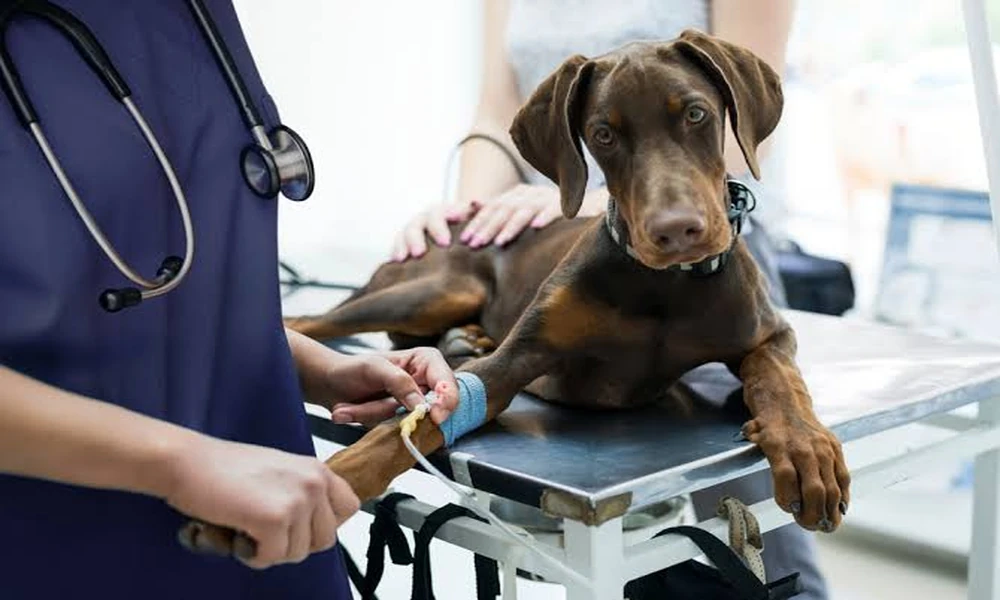
If your pet is taking a medication that needs close follow up, you may already feel that low grade worry in the background. You give the dose, watch for changes, and wonder whether the medicine is helping enough, helping too much, or causing a problem you cannot see yet. That stress is real. Therapeutic drug monitoring is meant to reduce the guessing. It helps your animal clinic, including providers offering veterinary services in Scarborough, measure how a drug is behaving in your pet’s body so treatment stays as safe and effective as possible.
Some drugs need this kind of tracking more than others. Seizure medications, certain heart drugs, immune suppressants, and some antibiotics can all require blood level checks or repeat lab work. The goal is simple. Your pet gets the right amount of medicine for their condition, age, size, and health status. When you know which questions to ask, appointments feel less confusing and the plan becomes easier to follow.
Therapeutic drug monitoring works best when the clinic explains the plan clearly
Start with the most basic question. Ask, Why does my pet need therapeutic drug monitoring? A good answer should connect the testing to your pet’s diagnosis and the specific medication, not give you a vague line about routine care. Some pets process drugs faster or slower than expected. Kidney disease, liver disease, age, breed differences, and drug interactions can all change medication levels. If your clinic cannot explain the reason for monitoring in plain language, you are left paying for tests without understanding what they are meant to prevent.
Ask what the clinic is actually measuring. Are they checking the drug level in the blood, organ function, symptom control, or all three? Those are not the same thing. A pet can look stable at home and still have drug levels that are too high. Another pet can have a level in range but still need an adjustment because symptoms continue. This is where drug monitoring for pets becomes more than a lab result. It is a decision tool.
Timing matters more than many owners realize, so ask, When should the blood sample be taken in relation to the dose? With many medications, a sample drawn too early or too late can give a misleading result. You do not want to make a dose change based on a number that does not reflect the true peak or trough level. If your dog takes a seizure medication at 7 a.m., for example, the clinic should tell you whether to give the dose before the visit or wait until after blood is drawn. That one detail can change the whole interpretation.
Clear answers about side effects and safety protect your pet
Your fourth question should be, What side effects or warning signs should I watch for at home? This is where many treatment plans fall apart. Owners are told to monitor, but not what to monitor for. Sedation, vomiting, appetite changes, wobbliness, restlessness, increased thirst, yellowing of the eyes, or behavior changes may all matter depending on the drug. Ask which symptoms are expected, which ones mean call the same day, and which ones mean emergency care.
It also helps to ask whether the clinic gives written instructions or take home resources. The FDA offers a useful guide on questions to ask your vet about your pet’s medications, and that can help you keep track of details after the appointment. Memory gets thin when you are worried, especially if your pet has just been diagnosed with a long term condition.
Your fifth question is the one that often saves money and avoids setbacks. Ask, What will happen if the results are outside the target range? You want to know the clinic’s next step before there is a problem. Will they lower the dose, increase it, repeat the test, switch drugs, or check liver and kidney values first? If your pet has a reaction after a label update or newly recognized warning, it is reasonable to ask whether there have been any animal drug safety related labeling changes for that medication.
An animal clinic should explain cost, frequency, and follow up without making you pull for answers
Therapeutic drug monitoring can become expensive when the plan is vague. One blood draw turns into several repeat visits, and you still do not know whether this is standard or avoidable. Ask how often testing is usually needed at the start, after dose changes, and once your pet is stable. Ask for the expected range of costs, including exam fees, lab work, and any recheck calls or consultations. A solid animal clinic will tell you what is likely, what is optional, and what would trigger extra testing.
Follow up systems matter too. If a result comes back abnormal on Friday afternoon, who calls you? How quickly? What if your pet seems worse before the clinic opens? You are not being difficult by asking these things. You are trying to avoid the common gap between testing and action. If the clinic has client handouts, ask for them. The FDA also provides client information sheets for take home medication safety, which can help you keep instructions straight once you are back home.
Key comparison points make pet medication monitoring easier to judge
| What to Ask | Strong Clinic Answer | Red Flag |
|---|---|---|
| Why is monitoring needed? | Explains the drug, the condition, and your pet’s risk factors | Gives a generic answer with no link to your pet |
| When should blood be drawn? | Gives exact timing based on dose schedule | Says timing does not matter |
| What side effects should I watch for? | Lists specific symptoms and urgency levels | Says to call only if your pet seems off |
| How often will testing happen? | Outlines startup, adjustment, and maintenance testing | Cannot estimate frequency or cost |
| What happens if results are abnormal? | Describes the decision process and follow up plan | Offers no clear next step |
Simple steps help you get more from a therapeutic drug monitoring appointment
Bring a full medication list. Include prescriptions, supplements, flea and tick products, and anything given as needed. Drug interactions can affect blood levels and side effects.
Write down the exact dosing schedule. Include the time of the last dose, missed doses, vomiting after dosing, and any changes you have seen at home. That information gives context to the lab result.
Ask for the target plan in writing. Get the timing of the next test, signs to watch for, and what number to call if your pet worsens. This makes pet therapeutic drug monitoring much easier to manage once you are home and tired.
You do not need to walk into the appointment knowing the science. You just need clear answers, a plan you can follow, and a clinic that treats your questions like part of good care. If your pet is starting a medication that may need monitoring, ask these five questions and keep the conversation going until the next steps make sense.
