
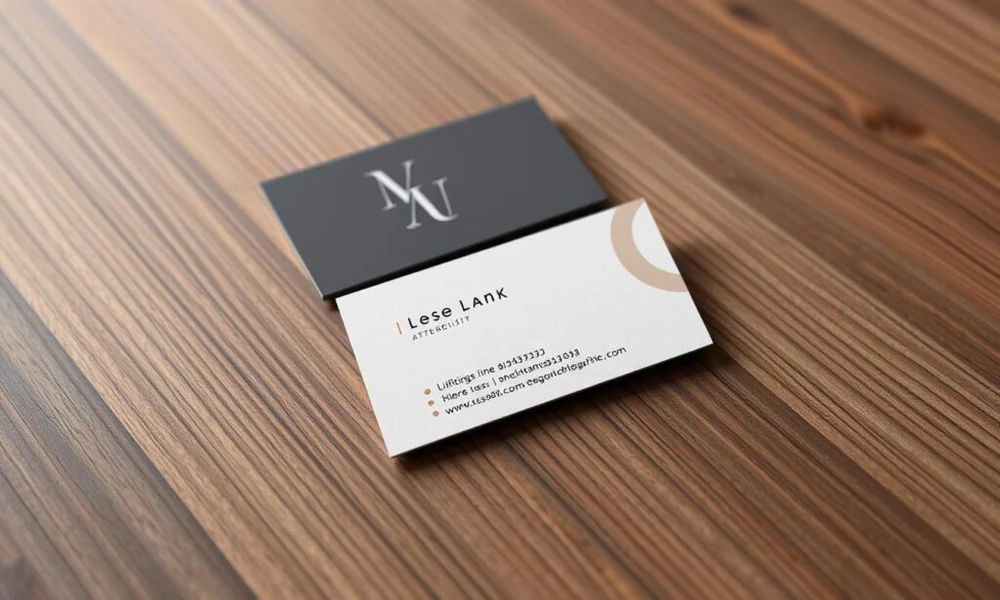
A single handshake can open doors, but the business card you leave behind is what stays in a pocket, wallet, or mind. The right paper transforms a simple card into a powerful statement about your brand, professionalism, and attention to detail. That’s why choosing the right business card paper is more than a technical decision, it’s a strategic one.
Understanding the Importance of Paper Choice in Business Cards
When you hand out a business card, the paper’s weight, texture, and finish speak before you do. The subtle heft of a quality card stock or the unique texture of linen can instantly elevate your perceived value. People unconsciously judge the credibility and seriousness of a business based on these tactile cues.
At a recent networking event, two professionals handed out their cards. One was a flimsy, glossy rectangle that felt more like a flyer than a calling card. The other was a linen card, sturdy yet inviting, with a textured surface that encouraged a second touch. Guess which one sparked more conversation and follow-up messages the next day?
Exploring Different Types of Business Card Paper
Linen business card paper stands out for its woven texture, offering a premium feel that’s hard to ignore. Linen’s subtle crosshatch pattern not only looks sophisticated but also feels distinguished in the hand, signaling thoughtfulness and quality.
By contrast, pearl and soft-touch stocks cater to different brand vibes. Pearl paper adds a shimmering, almost iridescent effect, perfect for creative industries or luxury products. Soft-touch cards have a velvety finish that feels modern and approachable, appealing to startups or tech companies. Each paper type makes a different statement, so your choice should align with how you want your brand to be remembered.
During a luxury brand launch in Montreal, organizers selected linen cards for their tactile, understated elegance. Guests remarked on the memorable texture and the way the paper seemed to mirror the brand’s promise of refined quality. This single choice turned what could have been a disposable piece of collateral into a keepsake.
Key Paper Characteristics to Evaluate
Thickness matters, not just for durability but for perception. A 13pt linen stock, for example, is thick enough to stand out from standard cards without feeling bulky. Heavier stocks resist bending and wear, ensuring your contact information survives the journey from wallet to desk.
Finish is equally important. Uncoated linen cards, like those offered without lamination, maintain their tactile charm and allow for easy writing, while glossy finishes highlight color vibrancy but can feel slick and less personal.
Printing compatibility is critical for achieving bold, accurate colors. Look for papers that support full-color printing in CMYK and can handle high-resolution (at least 300 dpi) artwork. This ensures crisp logos and sharp text, vital for legibility and brand consistency.
Brand recognition often hinges on these details. When a boutique switched from shiny, off-the-shelf cards to textured linen with rich black text, their customers immediately noticed the change. Sales associates even found clients mentioning the cards during follow-up visits.
Practical Considerations for Printing and Design
A bit of preparation saves a lot of headaches. Always extend your design 0.125 inches beyond the final trim size to ensure full-bleed printing, and keep essential text and elements within a “safe zone” so nothing vital gets cut off. Submit artwork as a high-resolution PDF (300 dpi), with all fonts converted to outlines for consistent results.
For black areas, use a rich black (C=40%, M=40%, Y=30%, K=100%) for backgrounds, and pure black (K=100%) for small text to achieve sharp, true blacks. Quantity matters, too. Standard sizes like 3.5″ x 2″ fit most wallets and holders; choose a quantity that matches your networking goals, from a starter batch of 250 to corporate orders in the thousands.
One designer shared a cautionary tale: a missing bleed led to cards with unwanted white borders, forcing a costly reprint. Attention to these technical details can mean the difference between a flawless finish and an expensive mistake.
Customization Options and Their Impact
Rounded corners, spot UV accents, or foil stamping can elevate a card from practical to unforgettable. While these features add to cost, they also increase the chance that your card will be kept and remembered.
At a startup’s grand opening, custom linen cards with rounded corners and subtle embossing delighted guests, who often commented on the card as much as the pitch. Customizations like these help a new business stand out in a competitive market, even before a conversation begins.
Balancing Cost, Quality, and Quantity
Not every business needs the most expensive stock, but cutting corners on paper can backfire. Bulk ordering typically lowers the price per card, making higher-end options more accessible for larger events or growing teams.
For freelancers, quality may outweigh quantity, a smaller batch of premium linen cards can make more impact than thousands of basic prints. Corporate clients, however, may prioritize volume and consistency across multiple locations. The key is striking the right balance for your brand and budget.
Final Checklist for Selecting the Perfect Business Card Paper
– Does the paper reflect your brand identity, luxurious, approachable, innovative, or classic?
– Have you tested samples to compare look and feel before committing?
– Is the thickness, finish, and print quality in line with what you want to communicate?
– Are you prepared for technical requirements like bleed, safe zones, and rich black usage?
Learning from real-world examples and avoiding common pitfalls goes a long way. For those looking to make a lasting impression with both style and substance, resources like Doculand linen business cards offer a practical starting point to explore premium materials and finishes.
In the end, the perfect business card is one that makes people stop, look twice, and remember you for all the right reasons. Choose your paper wisely, your next opportunity might depend on it.
