Category

Business

Category

Short-term projects can put extra pressure on teams. A product launch, system upgrade, seasonal demand, or sudden increase in customer needs may require more people for a limited period.

Hiring permanent employees may not make sense when the workload is temporary. This is where nearshoring and flexible contract staffing can help teams add capacity without making long-term commitments.

Read on to understand how these two approaches can work together.

Why Short-Term Sprints Need Flexible Talent

Short-term projects often come with fixed deadlines and specific goals. A team may suddenly need software developers, data analysts, engineers, or project managers to handle extra work for a few weeks or months.

Hiring permanent employees for a temporary need may not be practical. At the same time, asking the existing team to take on more work can slow progress.

Flexible talent can help fill these gaps quickly, giving teams the additional support they need without changing their long-term workforce structure. This also lets existing employees focus on their regular responsibilities while the project moves towards completion.

How Nearshoring Adds More Flexibility

For US companies, nearshoring can make it easier to bring in skilled professionals from nearby countries. Similar time zones allow teams to work during overlapping hours, which can simplify meetings, project updates, and day-to-day collaboration.

It can also widen the talent pool when local hiring is taking longer than expected or when a project requires specialized skills.

This makes nearshoring a useful option for short-term sprints where teams need additional expertise without creating major communication gaps.

Combining Both Approaches

The real value comes from using these approaches together. Contract staffing can provide people for a defined period while nearshoring can widen the talent pool used to fill those roles.

For example, a US company preparing for a software release may need extra developers and quality analysts for three months. Rather than hiring permanent employees, it can bring in skilled professionals from a nearby market for the project. They can work alongside the existing team during overlapping hours, focus on key sprint tasks, and help meet the release deadline.

This model can also work for data projects, customer support initiatives, engineering work, and other time-bound needs. Once the sprint is complete, the additional team can scale down without leaving the company with permanent roles it no longer needs.

Making the Model Work

Clear planning is important. Start by defining the project scope, required skills, expected timeline, and responsibilities. It also helps to establish communication routines before the sprint begins.

Managers should ensure nearshore professionals understand the team’s tools, processes, and goals. Regular check-ins can keep work moving and help identify issues early.

It is also useful to have a clear end date or review point. If the project changes, the team can then decide whether additional staffing is needed or whether the work can return to the existing team.

Conclusion

Blending nearshoring with contract staffing gives companies a practical way to handle short-term workload increases. It can help teams access specialized skills, add capacity quickly, and keep projects moving without committing to permanent headcount.

With clear goals, defined timelines and good communication, this approach can make short-term sprints easier to manage while keeping workforce planning flexible as project demands shift over time.

Key Takeaways

Skilled AV technicians help create immersive event experiences through expert equipment operation, troubleshooting, and on-site support.

Diverse audiovisual solutions allow events to use equipment specifically suited to their venue, audience, and objectives.

High-definition displays improve visual storytelling, audience engagement, and brand presentation.

Professional lighting design transforms event spaces and helps establish the desired atmosphere and mood.

Audio visual companies in Dallas can provide flexible rental packages that accommodate different event requirements and budgets.

Building long-term relationships with AV providers can lead to customized solutions, reliable support, and smoother event planning.

Real-world Dallas events demonstrate how professionally designed AV setups can increase audience engagement and overall event satisfaction.

How Audio Visual Expertise Drives Event Success in Dallas

Skilled Technicians Create Immersive Experiences

For memorable events, the expertise of skilled AV technicians is invaluable. These professionals understand how to operate modern audiovisual equipment while responding quickly when technical issues arise. Their ability to troubleshoot problems on-site can make a significant difference in keeping presentations, performances, and other event activities running smoothly.

Every event presents unique challenges based on the venue, audience size, program, and equipment requirements. Experienced technicians can adapt their approach to these conditions and make real-time adjustments when necessary. This adaptability helps transform a basic presentation into a more engaging and immersive experience.

Working with professional audio visual companies in Dallas also gives event organizers access to technicians who understand how different AV components work together. From sound and video to lighting and presentation systems, proper coordination helps ensure that every element supports the event’s goals.

Diverse Equipment Solutions Improve Event Experiences

Not every event requires the same audiovisual setup. A corporate conference may need large displays, wireless microphones, and presentation systems, while a concert may require powerful speakers, stage lighting, and specialized visual effects.

Professional AV providers evaluate the event’s specific requirements before selecting equipment. This tailored approach helps ensure that the technology supports the venue and audience rather than creating unnecessary complexity.

For example, an event in a large convention center may require multiple displays and distributed sound systems, while a smaller corporate gathering may benefit from a simpler setup. Choosing the appropriate combination of equipment can improve visibility, sound quality, and overall audience engagement.

Maximizing Engagement Through Visual Storytelling

High-Definition Displays Captivate Audiences

High-definition displays can significantly improve how audiences experience presentations and visual content. Sharp images, readable text, videos, and branded graphics help capture attention and make information easier to understand.

For corporate events, high-quality displays can reinforce branding while presenting important information in a visually compelling format. At conferences, large screens can ensure that attendees throughout the venue have a clear view of speakers, presentations, and supporting content.

Professional AV teams can also determine the appropriate screen size, placement, brightness, and resolution based on the venue. This attention to detail helps create a consistent viewing experience and keeps audiences focused on the event.

Lighting Design Transforms Atmosphere and Mood

Lighting is another important component of successful event production. It does more than illuminate a stage or presentation area-it can establish an atmosphere and influence how attendees experience the event.

Warm lighting can create an intimate and welcoming environment, while dynamic lighting can add energy to concerts, celebrations, and product launches. Corporate events may benefit from clean, professional lighting that keeps speakers clearly visible while reinforcing the company’s visual identity.

AV professionals can combine ambient, task, and accent lighting to create a cohesive environment. Lighting can also be adjusted throughout an event to match different activities, such as keynote presentations, networking sessions, award ceremonies, or entertainment.

Effective lighting does more than improve visibility; it helps shape the audience’s emotional experience.

Cost-Effective Solutions From Dallas AV Companies

Flexible Rental Packages Support Different Budgets

Professional AV services do not necessarily require organizations to purchase expensive equipment. Rental packages can provide access to professional-grade technology while allowing clients to select only the equipment their event actually requires.

Packages may include sound systems, microphones, projectors, LED displays, stage lighting, video equipment, and technical support. By customizing the equipment package, event organizers can avoid paying for unnecessary technology.

Transparent pricing is equally important. Before an event, clients should understand equipment costs, setup fees, technician charges, transportation expenses, and any additional services. Clear estimates make it easier to manage budgets while still achieving a professional event experience.

Long-Term Partnerships Provide Greater Value

Establishing a long-term relationship with an AV provider can make future event planning easier. Once a provider understands a client’s brand, preferred equipment, event format, and expectations, future projects can often be planned more efficiently.

Long-term partnerships can also improve communication. Event planners know who to contact, technicians understand existing requirements, and both sides can identify potential challenges earlier in the planning process.

Benefits may include:

  • Customized AV solutions for recurring events
  • Easier communication and event coordination
  • Access to current audiovisual technology
  • More predictable budgeting
  • Reliable technical support

Dallas Event Success: How Professional AV Makes a Difference

Customized AV Setups Increase Audience Engagement

A well-designed AV setup can have a direct impact on how audiences interact with an event. Interactive displays, clear sound systems, large-format screens, and coordinated lighting can make presentations more engaging and easier to follow.

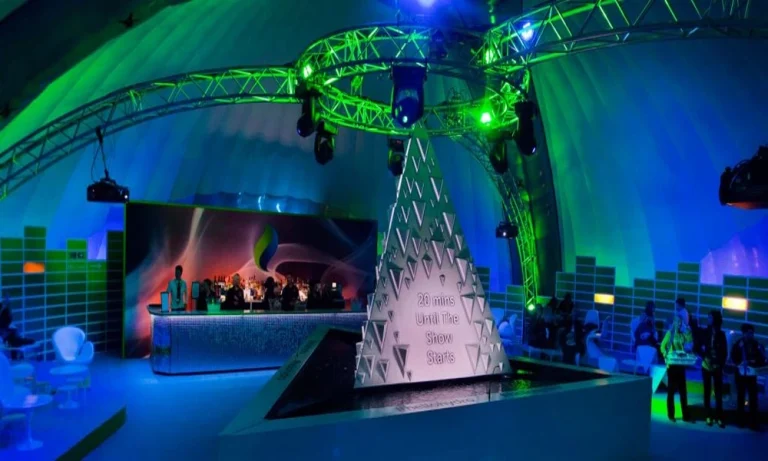
Consider a large corporate conference in Dallas. Multiple presentation screens could allow attendees throughout the venue to follow speakers clearly, while interactive technology could encourage participants to respond to polls or participate in live discussions.

The objective isn’t simply to add more technology. Instead, every component should serve a purpose. When audiovisual technology is aligned with the event’s objectives, it can strengthen communication and improve the overall attendee experience.

Collaboration With AV Professionals Improves Event Execution

Event planners manage numerous responsibilities, including scheduling, vendors, budgets, speakers, entertainment, and guest experiences. Having a professional AV team handle the technical side can reduce some of this workload.

Strong communication between event planners and AV technicians allows potential problems to be identified before the event begins. Pre-event consultations, equipment testing, venue inspections, and rehearsals can help ensure that the final setup meets expectations.

“Successful AV production is built on preparation, communication, and attention to detail.”

This collaborative approach can provide event organizers with greater confidence. Instead of worrying about technical problems, planners can focus on delivering the broader event experience.

Why Professional AV Services Matter for Dallas Events

From corporate conferences and trade shows to concerts, galas, and private celebrations, audiovisual technology can influence how attendees see, hear, and interact with an event. Skilled technicians, carefully selected equipment, high-definition displays, strategic lighting, flexible rentals, and strong vendor relationships all contribute to better event execution.

For organizations planning an event in Dallas, choosing an experienced AV provider can help turn a standard gathering into a polished and memorable experience. The goal isn’t simply to use advanced technology-it’s to use the right technology in the right way to support the event’s purpose.

FAQ

What types of events benefit from professional AV services?

Corporate conferences, trade shows, conventions, concerts, product launches, weddings, galas, and other large gatherings can benefit from professional AV services. The right setup improves communication, visibility, sound quality, and audience engagement.

How can businesses choose the right AV company in Dallas?

Businesses should consider experience, equipment selection, technician support, customer reviews, pricing transparency, and the company’s ability to customize services. Discussing event requirements before hiring can also help determine whether a provider is a good fit.

Why are skilled AV technicians important?

Technicians operate and monitor audiovisual equipment throughout the event. They can also identify and resolve technical problems quickly, helping minimize disruptions and keeping presentations or performances on schedule.

How does lighting affect an event?

Lighting can influence visibility, atmosphere, branding, and audience mood. Professional lighting designers can create different effects for presentations, entertainment, networking, and other portions of an event.

Are AV rental packages suitable for smaller events?

Yes. Rental packages can be customized according to event size and requirements. Smaller events may only need microphones, speakers, displays, and basic lighting rather than a comprehensive production setup.

How can AV technology improve audience interaction?

Interactive displays, live polling, digital presentations, Q&A systems, and other technologies can encourage attendees to participate instead of simply watching a presentation.

What should clients expect during AV setup?

Clients should generally expect a planning consultation, equipment selection, venue assessment, installation, testing, and technical support. Larger events may also require rehearsals before attendees arrive.

Can professional AV services support hybrid events?

Yes. AV teams can support hybrid events through cameras, microphones, streaming systems, presentation displays, and other technologies designed to connect in-person and remote audiences.

Useful Resources

A single handshake can open doors, but the business card you leave behind is what stays in a pocket, wallet, or mind. The right paper transforms a simple card into a powerful statement about your brand, professionalism, and attention to detail. That’s why choosing the right business card paper is more than a technical decision, it’s a strategic one.

Understanding the Importance of Paper Choice in Business Cards

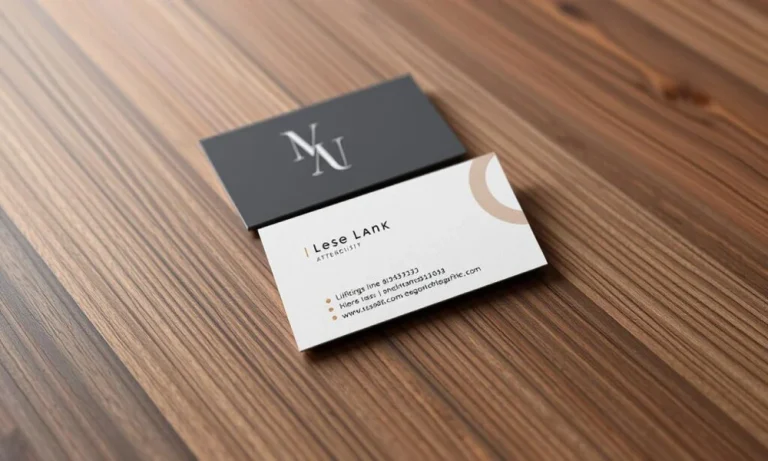
When you hand out a business card, the paper’s weight, texture, and finish speak before you do. The subtle heft of a quality card stock or the unique texture of linen can instantly elevate your perceived value. People unconsciously judge the credibility and seriousness of a business based on these tactile cues.

At a recent networking event, two professionals handed out their cards. One was a flimsy, glossy rectangle that felt more like a flyer than a calling card. The other was a linen card, sturdy yet inviting, with a textured surface that encouraged a second touch. Guess which one sparked more conversation and follow-up messages the next day?

Exploring Different Types of Business Card Paper

Linen business card paper stands out for its woven texture, offering a premium feel that’s hard to ignore. Linen’s subtle crosshatch pattern not only looks sophisticated but also feels distinguished in the hand, signaling thoughtfulness and quality.

By contrast, pearl and soft-touch stocks cater to different brand vibes. Pearl paper adds a shimmering, almost iridescent effect, perfect for creative industries or luxury products. Soft-touch cards have a velvety finish that feels modern and approachable, appealing to startups or tech companies. Each paper type makes a different statement, so your choice should align with how you want your brand to be remembered.

During a luxury brand launch in Montreal, organizers selected linen cards for their tactile, understated elegance. Guests remarked on the memorable texture and the way the paper seemed to mirror the brand’s promise of refined quality. This single choice turned what could have been a disposable piece of collateral into a keepsake.

Key Paper Characteristics to Evaluate

Thickness matters, not just for durability but for perception. A 13pt linen stock, for example, is thick enough to stand out from standard cards without feeling bulky. Heavier stocks resist bending and wear, ensuring your contact information survives the journey from wallet to desk.

Finish is equally important. Uncoated linen cards, like those offered without lamination, maintain their tactile charm and allow for easy writing, while glossy finishes highlight color vibrancy but can feel slick and less personal.

Printing compatibility is critical for achieving bold, accurate colors. Look for papers that support full-color printing in CMYK and can handle high-resolution (at least 300 dpi) artwork. This ensures crisp logos and sharp text, vital for legibility and brand consistency.

Brand recognition often hinges on these details. When a boutique switched from shiny, off-the-shelf cards to textured linen with rich black text, their customers immediately noticed the change. Sales associates even found clients mentioning the cards during follow-up visits.

Practical Considerations for Printing and Design

A bit of preparation saves a lot of headaches. Always extend your design 0.125 inches beyond the final trim size to ensure full-bleed printing, and keep essential text and elements within a “safe zone” so nothing vital gets cut off. Submit artwork as a high-resolution PDF (300 dpi), with all fonts converted to outlines for consistent results.

For black areas, use a rich black (C=40%, M=40%, Y=30%, K=100%) for backgrounds, and pure black (K=100%) for small text to achieve sharp, true blacks. Quantity matters, too. Standard sizes like 3.5″ x 2″ fit most wallets and holders; choose a quantity that matches your networking goals, from a starter batch of 250 to corporate orders in the thousands.

One designer shared a cautionary tale: a missing bleed led to cards with unwanted white borders, forcing a costly reprint. Attention to these technical details can mean the difference between a flawless finish and an expensive mistake.

Customization Options and Their Impact

Rounded corners, spot UV accents, or foil stamping can elevate a card from practical to unforgettable. While these features add to cost, they also increase the chance that your card will be kept and remembered.

At a startup’s grand opening, custom linen cards with rounded corners and subtle embossing delighted guests, who often commented on the card as much as the pitch. Customizations like these help a new business stand out in a competitive market, even before a conversation begins.

Balancing Cost, Quality, and Quantity

Not every business needs the most expensive stock, but cutting corners on paper can backfire. Bulk ordering typically lowers the price per card, making higher-end options more accessible for larger events or growing teams.

For freelancers, quality may outweigh quantity, a smaller batch of premium linen cards can make more impact than thousands of basic prints. Corporate clients, however, may prioritize volume and consistency across multiple locations. The key is striking the right balance for your brand and budget.

Final Checklist for Selecting the Perfect Business Card Paper

– Does the paper reflect your brand identity, luxurious, approachable, innovative, or classic?

– Have you tested samples to compare look and feel before committing?

– Is the thickness, finish, and print quality in line with what you want to communicate?

– Are you prepared for technical requirements like bleed, safe zones, and rich black usage?

Learning from real-world examples and avoiding common pitfalls goes a long way. For those looking to make a lasting impression with both style and substance, resources like Doculand linen business cards offer a practical starting point to explore premium materials and finishes.

In the end, the perfect business card is one that makes people stop, look twice, and remember you for all the right reasons. Choose your paper wisely, your next opportunity might depend on it.

Turbines are critical components in many industries, including power generation, oil and gas, manufacturing, and aviation. These powerful machines operate under extreme conditions, including high temperatures, intense pressure, and rapid rotational speeds. Because of these demanding environments, turbines require regular maintenance and professional repair to ensure safe and efficient operation. Quality turbine repair services play a vital role in maintaining equipment reliability, preventing costly downtime, and extending the lifespan of these valuable assets.

Maintaining Operational Efficiency

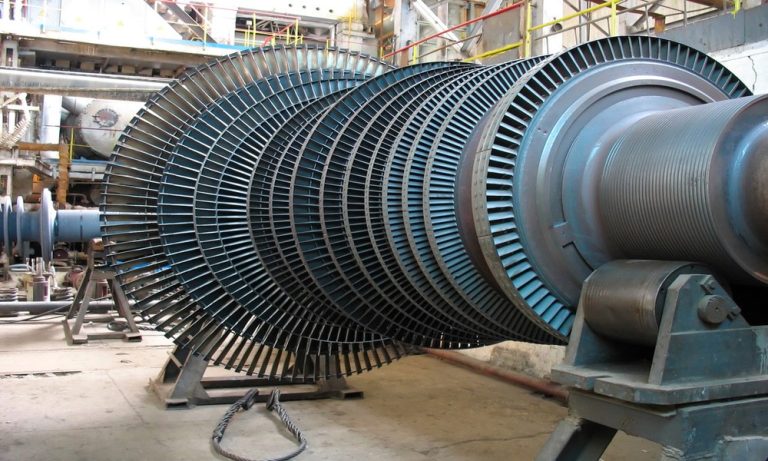
The need to stay operational is one of the most significant reasons why quality turbine repair services should be invested in. The rotor, bearings, seals, and blades are some of the turbine components which may wear and tear over time. Any minor defects in these components may also lower the efficiency of the entire system.

An example is the broken or eroded blades which can interfere with the airflow, lowering the capacity of the turbine to produce any power. Likewise, mismatched rotors or damaged bearings might cause friction and vibration that could cause energy waste and reduced production. As a remedy to these, professional repair services solve these problems by repairing the parts to their original state as well as to bring the turbo to serve at its best performance levels.

The efficiency will enable the companies to minimize the wastage of energy, the cost of operation, and the productivity of the equipment.

Preventing Costly Equipment Failures

Turbine systems are also complicated and costly machines. The small problems can easily turn out to be the major mechanical failures when they are not addressed. Even a single crack in a blade of the turbine or a minor imbalance in the rotor will lead to severe damages should not be dealt with on time.

Other services such as quality turbine repairs come with comprehensive checks and diagnosis to identify any early signs of damage. The high-tech equipment employed by skilled technicians to detect any concealed issues prior to its being critical is vibration analysis, thermal imaging, and borescope inspections.

Early identification enables technicians to repair or replace the affected parts before a total breakdown of a system can take place. This active measure has a powerful impact on the minimization of the risk of emergency shutdown, high cost of repairs, and long off-line.

Ensuring Workplace Safety

The issue of safety is one of the main concerns in the industry that depends on turbines. The machines are extremely fast and hot in nature, and therefore, any failure would be very risky to both employees and plants. Turbines that are not well looked after can either cause mechanical failures, fire, or any other risk situations.

Good repair services of turbines contribute to the safety of the operating conditions by making sure that everything works properly. The technicians that are experienced stick to high repair standards and protective standards in carrying out the maintenance work. They also confirm that repaired turbines are of specifications and regulations to the manufacturer and the industry as well. Go here for reference.

Organizations can save their employees, minimize liabilities and ensure that their working environment is safer by giving importance to proper repair and maintenance.

Extending Equipment Lifespan

Most companies have a considerable financial outlay in turbines. Once it required millions of dollar to replace a turbine, it is necessary to maximize the lifespan of any existing equipment wherever feasible.

This can be obtained through professional repair services, which repair the damaged parts and avoid excessive degradation. Refurbishment of blades, balancing and replacement of seals are some of the techniques that enable turbines to last many years working efficiently.

Frequent maintenance and on time repairs minimise the description of premature equipment replacement, enabling companies to maximize their returns on investments.

Article image

Supporting Long-Term Reliability

Consistency of power production and generation requires reliable performance of turbines in industries that use it. Unforeseen turbine failures may disrupt operation, postpone projects and affect income.

Good services in turbine repair will help in maintaining a high degree of reliability in the long run as one will be assured that his or her equipment is in good condition. The highly skilled technicians know how deeply the technology of the turbine system actually works and can offer solutions on how to maintain the machine depending on the unique conditions of operation.

Turbines will be able to give reliable performance with proper care and professional support in terms of repairing them, and reducing the chances of sudden failures. Go to this site to read more.

Conclusion

Quality turbine repair services are necessary in the upkeep of performances of turbine systems, safety and durability. These services enable to avoid expensive failures, enhance efficiency, and increase the lifespan of equipment with the help of professional checks, precise diagnostics, and professional repairs.

In industries that use turbines as the main power source to operate the most important processes, hiring skilled repair specialists is not a merely the maintenance choice, it is a long-term business investment in the reliability, safety, and the success of the operations.

An exciting update has been flourishing around for the buyers and investors; the Delhi Development Authority (DDA) has made an announcement to arrange an e-auction of more than 150 sites and DDA plots in Delhi, whereby shaping the availability and investment dynamics for the property of DDA in Delhi. This move will eventually help in monetizing the vacant land available in Delhi and to boost the revenue of the authority, as reported by the Times of India.

What does this E-Auction contain

As per the reports published in Times of India, this coming sale will have numerous properties listed in the sale inclusive of residential, commercial, institutional, industrial and Delhi group housing plot which all are located nearby the key localities in the national capital.

Highlights include:

  • Residential plots in the nearby areas of Rohini and Rajendra Nagar 
  • Plots which are suitable for commercial and institutional uses
  • Land in Mangolpuri and Okhla for industrial uses
  • Group Housing Sites in various sectors of Dwarka
  • The cafe in Baansera with various other Kiosks, food courts, and cafes on lease. 

The administration is expanding its purview for inviting the opportunities for the investors and buyers who are seeking city land assets, particularly because many of these DDA plots in Delhi are free from legal encumbrances.

Auction Schedule and attendance

The e-auction registration was done starting December 30, 2025, to January 27, 2026. The DDA will issue the specific schedule of the auction after the registration is closed, which will include the bidding dates, as well as plot-related documentation requirements. 

 In order to serve first-time bidders and small buyers, DDA authorities have also established support desks to facilitate the digital signatures, e- registration and general queries related to the auction a move that is indicative of efforts to simplify the process to all. 

 Why This Matters Now 

The new e-auction is PTSS when the demand for land in Delhi is still high since people are willing to purchase a home, and land developers require space to build commercial business. DDA plots in Delhi tend to appeal to both local customers who wish to have a plot, and developers of mixed-use development. It will be more appealing to the investors to add shops, kiosks, and group housing sites to the auction. 

 Analysts in the industry believe that big e-auctions can ensure that land prices remain regulated in the long-term as well as remove unused DDA land from the market. This is particularly vital to the individuals keeping an eye on the property trend in Rohini, Rajendra Nagar and Dwarka, whereby some of the most demanded plots will be sold. 

How to Stay Updated 

The final auction schedule and plot details must be observed by the prospective buyers in the official DDA site and reputable property news outlets such as The Times of India. The current e-auction program is one of the important turning points of individuals interested in purchasing DDA plots in Delhi, and it might alter the way in which individuals view the availability of prime land in the capital city.

Navigating the world of taxes can feel like walking through a dense fog. You need clarity and expertise. Hiring a Certified Public Accountant, especially a CPA in Irvine, Orange County, can clear that path. A CPA brings precise guidance and knowledge in tax planning. You might think you can handle taxes yourself, but small mistakes can lead to costly consequences. Save yourself from stress and potential errors by investing in professional help. A CPA stays updated on tax laws and changes, ensuring you comply with regulations without missing opportunities. They identify deductions and credits you might overlook, maximizing your savings. They also offer peace of mind during audits, providing representation and advice. With a CPA by your side, tax planning becomes a manageable task, freeing up time and energy for other priorities. Embrace the security and advantages a seasoned CPA offers in managing your taxes.

Understanding the Role of a CPA

A Certified Public Accountant is not just a tax preparer. They are licensed professionals who have passed rigorous exams and met specific state requirements. Their expertise covers various financial areas, but their understanding of tax regulations is especially beneficial for individuals and businesses alike. The IRS acknowledges their role in the tax system, emphasizing that CPAs must uphold high ethical standards.

How CPAs Simplify Tax Planning

CPAs can demystify complex tax matters for you. Their services include:

  • Preparing accurate tax returns
  • Advising on tax-saving strategies
  • Representing you in dealings with tax authorities

Unlike other tax preparers, CPAs have the authority to represent clients during IRS audits. This representation can be invaluable if discrepancies arise in your filings.

Benefits of Hiring a CPA

There are clear advantages to engaging a CPA for tax planning:

Do-It-YourselfCPA Services
High possibility of mistakesAccuracy and attention to detail
Limited knowledge of tax law changesUp-to-date expertise on tax regulations
Stressful and time-consumingPeace of mind and efficiency

Common Mistakes to Avoid

Many individuals make errors such as missing deductions or misreporting income. These mistakes can lead to audits or penalties. A CPA helps you avoid these pitfalls by ensuring your tax return is correct and comprehensive.

Choosing the Right CPA

When selecting a CPA, consider their experience, reputation, and client reviews. It’s crucial to find someone with a proven track record and a thorough understanding of your financial needs. Resources like the American Institute of CPAs can guide you in finding qualified professionals.

Planning for the Future

Effective tax planning doesn’t stop at filing returns. A CPA can help with long-term financial planning, such as retirement savings and investment strategies. They work with you to create a roadmap that aligns with your financial goals.

The Cost Factor

Although hiring a CPA involves a fee, their value often outweighs the cost. Mistakes in tax filings can be expensive. By investing in a CPA, you save money in the long run by avoiding penalties and maximizing tax savings.

Conclusion

Tax planning is a critical aspect of financial management. A CPA brings invaluable expertise and support, transforming a complex process into a straightforward one. By hiring a CPA, you ensure accuracy, efficiency, and peace of mind. Take charge of your tax planning with confidence, knowing you’ve partnered with a professional who has your best interests at heart.

Trade fairs are an excellent opportunity to present your company’s offer, gain new business contacts, and strengthen brand awareness. The key to a successful presence at such events is a professionally prepared exhibition stand that stands out from the competition and attracts potential customers. How do you plan and prepare a trade fair stand that becomes an effective marketing tool and delivers measurable results?

Why is it worth strategically planning a trade fair stand?

A trade fair stand is your company’s business card at an industry event. A well-designed and prepared stand can significantly increase the effectiveness of participation and help achieve business objectives. According to the Center for Exhibition Industry Research, companies have just 3 seconds to capture the attention of visitors, which makes a carefully planned stand essential.

A strategic approach to planning a trade fair stand should include:

  • Clearly defined objectives for participation
  • Precisely targeted audience definition
  • Consistency with brand identity
  • Functionality and ergonomic use of space

How to choose the optimal exhibition system for your stand?

The choice of the right exhibition system is the foundation of preparing a professional trade fair stand. Modular systems, such as those offered by Clever Frame, provide flexibility in space arrangement, quick assembly and dismantling, and the ability to reuse the structure multiple times.

The Clever Frame system is an innovative solution based on aluminum frames and connectors that allow the creation of diverse exhibition structures – from simple presentation walls to complex multi-element trade fair stands. What makes this system stand out on the exhibition market?

Key advantages of the Clever Frame modular system:

  • Flexibility in configuration – stands of various shapes and sizes
  • Easy assembly and dismantling without specialized tools
  • Magnetic system for quick replacement of graphic panels
  • Reusable construction for multiple events

How to design a trade fair stand that attracts attention?

Designing an effective exhibition stand requires considering both visual and functional aspects. A professional stand should not only draw attention but also provide a comfortable space for presenting products and holding business meetings.

Designing with the Clever Frame system enables a stand fully adapted to the exhibitor’s needs and industry specifics. The system offers a wide range of elements that can be freely combined to create unique stand arrangements.

Key stand elements influencing efficiency:

  • Eye-catching graphics and clear marketing messages
  • Ergonomic layout
  • Proper product display
  • Integration of multimedia (screens, presentations)

An example of effective use of the Clever Frame system comes from cosmetic industry projects, where the modular design created a space combining product presentation with a comfortable meeting area. Such a stand attracted about 30% more visitors than standard solutions used by the company in previous years.

Preparing a stand step by step – a practical guide

How to prepare a trade fair stand that works as a powerful marketing tool? The process can be divided into several key stages:

1. Define goals and concept

Before starting the design process, clearly define what you expect from participating in the fair. Is the priority to acquire new customers, strengthen brand awareness, or present new products? The answers will shape the stand’s concept and ensure alignment with your objectives.

2. Choose the right exhibition system

Clever Frame offers solutions tailored to various needs and budgets. Depending on the rented space and presentation style, you can choose:

  • Presentation wall – ideal for smaller events
  • Island stand – accessible from all sides
  • Corner stand – utilizing two open sides
  • Row stand – located along one side

3. Design graphics and marketing messages

Stand graphics should be consistent with brand identity while being distinctive and eye-catching. The company logo must be placed in a prominent location, and messages should clearly present the key benefits of your offer.

The Clever Frame system enables easy replacement of graphic panels, allowing the message to be adapted to each event or audience without changing the structure of the stand.

4. Integrate multimedia and interactive elements

Modern trade fair stands often incorporate multimedia such as screens, presentations, or interactive applications. The Clever Frame system allows seamless integration of these elements into the structure, creating a comprehensive exhibition solution.

5. Prepare promotional materials

Complement the stand with appropriate promotional materials – leaflets, catalogs, product samples. They should be visually consistent with the stand and effectively communicate key information about the offer.

Assembly and dismantling – practical logistics

One of the important aspects of preparing a stand is its assembly and dismantling. Traditional systems often require external teams, which increases costs and complicates logistics.

The Clever Frame system is designed for easy handling: the assembly can be carried out independently, without professional installers. The structure is based on a simple connector system and requires no specialized tools.

Advantages of the Clever Frame modular system in trade fair logistics:

  • Quick assembly – the stand can be set up in a short time
  • Compact dimensions when packed – easier transport and storage
  • Possibility to modify the layout on-site – adapting to the space
  • Durable elements – resistant to transport and repeated use

How to ensure consistency with brand identity?

Visual consistency is a key factor in the effectiveness of a trade fair stand. The stand should be a natural extension of your company’s visual identity, strengthening recognition and building a professional image.

The Clever Frame system offers broad customization options through the use of graphic panels with individual prints. This allows you to create a space that fully reflects the brand’s character and values.

Elements of brand identity to consider when designing a stand:

  • Colors aligned with brand guidelines
  • Logo placed in visible locations
  • Consistent typography across all materials
  • Distinctive graphic elements associated with the brand

Interested in professional support with planning and preparing your trade fair stand? The Clever Frame team will help you choose the optimal solution tailored to your industry and marketing goals. Visit cleverframe.com to explore the full range of exhibition systems and see examples from various industries.