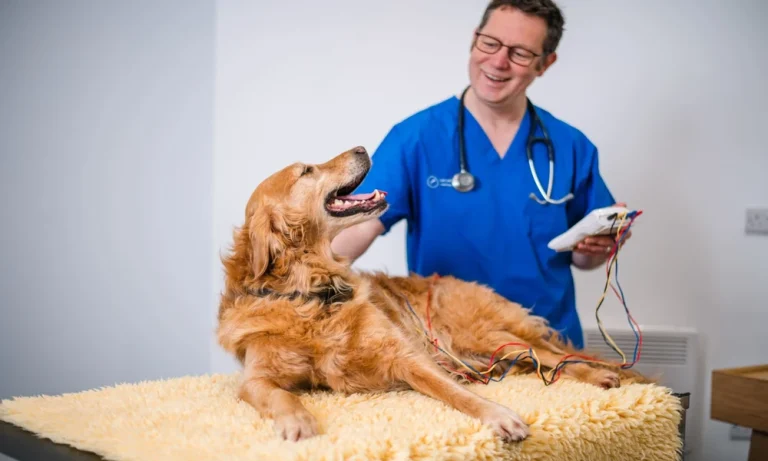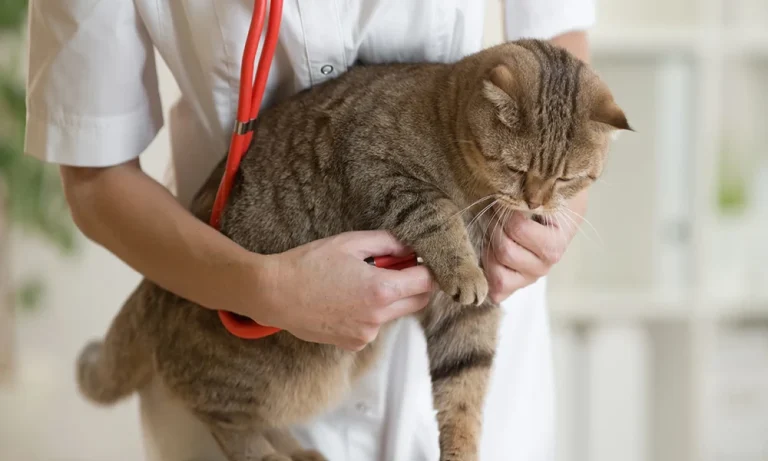
It often starts with one bad stomach day, then another, then you realize this is no longer a random upset. Your dog or cat vomits again, has loose stool again, and you find yourself watching every meal, every walk, every trip to the litter box. That kind of pattern wears on you fast, which is why contacting a Yorba Linda veterinarian can help you address dehydration, hidden illness, the cost of testing, and whether you should have acted sooner.
When a pet has ongoing digestive trouble, a veterinary clinic is not just looking at the vomit or diarrhea itself. The team is trying to figure out why it keeps happening, how serious it is, whether the problem is in the stomach or intestines, and whether there are signs of a larger disease. Some cases turn out to be food related. Some point to parasites, infections, pancreatitis, organ disease, stress, or inflammatory bowel problems. The goal is to sort out the urgent from the manageable and build a plan that actually fits your pet’s pattern.
Recurrent vomiting or diarrhea usually points to an underlying cause
A single episode may come from eating something that did not agree with your pet. Recurrent symptoms raise a different concern. When vomiting or diarrhea keeps returning, your veterinary clinic starts with the timeline. How long has this been happening. How often. Is it tied to meals. Did it begin after a diet change, boarding stay, new treats, trash exposure, or medication.
Details matter more than most people expect. Vomiting right after eating can suggest one kind of issue, while vomiting hours later may suggest another. Large volume diarrhea means something different from frequent straining with only a little stool. Blood, mucus, weight loss, reduced appetite, belly pain, lethargy, and increased thirst can shift the case from simple stomach upset to a broader medical workup.
This is also where many owners feel stuck. You may have already tried bland food, probiotics, or removing treats, only to see the problem come back. That is frustrating, and it is one reason what a vet clinic looks for when a pet has recurrent vomiting or diarrhea goes far beyond a quick exam. Pattern recognition is a big part of the visit.
Veterinarians often divide these cases into broad categories first. Is this mostly vomiting, mostly diarrhea, or both. Is the small intestine involved, the large intestine, or both. Is the pet still bright and hydrated, or showing signs that this could turn dangerous quickly. Cornell’s overview of vomiting in dogs and its guide to diarrhea in dogs both reflect this same reality. The symptom matters, but the context matters just as much.
A veterinary clinic checks history, hydration, pain, and risk factors first
The first exam is often about stability. A pet with repeated vomiting or diarrhea can lose fluid and electrolytes fast. Your veterinarian checks hydration, gum moisture, heart rate, temperature, abdominal tension, body weight, and overall attitude. A pet that still wants to engage is different from one that is weak, hiding, trembling, or unable to keep down water.
History comes next, and this part is often what narrows the list fastest. Age matters. A young pet may be more likely to have parasites, diet indiscretion, or a foreign object. An older pet may raise concern for kidney disease, liver disease, cancer, endocrine disease, or chronic intestinal inflammation. Breed can matter too. So can access to socks, bones, toys, cat litter, plants, table scraps, and human medications.
A vet evaluation for chronic vomiting and diarrhea also looks at what has already been tried. Did anti nausea medication help. Did a prescription diet help but only for a week. Did symptoms return after normal food came back. Those clues can point toward food sensitivity, malabsorption, or a condition that needs more than symptom control.
Diagnostic testing helps separate mild digestive upset from chronic disease
Testing is usually chosen in steps, not all at once. Fecal testing may check for parasites or abnormal bacteria. Bloodwork can show dehydration, inflammation, anemia, infection patterns, and changes in liver, kidney, pancreas, protein, or electrolyte values. Urine testing adds another layer, especially when organ disease is on the table.
Imaging is often the next move when symptoms recur or the exam suggests pain, bloating, or obstruction. X rays can help find foreign material, gas patterns, and some masses. Ultrasound can show thickened intestines, enlarged lymph nodes, pancreatitis, fluid, and structural changes that plain films may miss.
Some pets need diet trials, specialized blood tests, or even endoscopy and biopsies. That sounds like a lot, and sometimes it is. The reason is simple. repeated vomiting and diarrhea in pets can look similar on the surface while coming from very different causes underneath. Treating all of them the same wastes time and can let the real problem worsen.
Home monitoring and veterinary care play different roles
| Situation | Home Monitoring May Be Reasonable | Veterinary Clinic Care Is Needed |
|---|---|---|
| Frequency | One mild episode, pet otherwise normal | Symptoms keep returning over days or weeks |
| Energy level | Bright, alert, drinking water | Lethargy, weakness, collapse, hiding |
| Food and water | Eating or willing to try bland food | Cannot keep water down or refuses food repeatedly |
| Stool or vomit appearance | Single soft stool without other signs | Blood, black stool, repeated vomiting, foreign material |
| Body condition | No weight loss | Weight loss, dehydration, painful abdomen |
A veterinary clinic is also watching for emergencies that can look like a simple stomach issue at first. Ongoing vomiting can be linked to an obstruction. Severe diarrhea can become dangerous through dehydration alone. If your pet is worsening quickly, emergency and critical care may be the safer route. Virginia Tech’s small animal emergency and critical care service outlines the kind of cases that need urgent attention.
Three steps you can take right away
Track the pattern clearly. Write down when vomiting or diarrhea happens, what your pet ate, stool appearance, energy level, and any new treats, meds, or exposures. Photos can help if you are comfortable taking them. That record often shortens the path to answers.
Do not keep changing food and remedies at random. Constant switching muddies the picture and can make the gut more irritated. Ask your veterinary clinic before adding over the counter products, especially human medications, which can be harmful.
Know the red flags. Seek prompt care if your pet has repeated vomiting, blood in stool or vomit, belly pain, weakness, dehydration, weight loss, or cannot keep water down. Those signs move this out of watch and wait territory.
Getting answers for a pet with ongoing digestive symptoms
Recurring stomach trouble is exhausting because it interrupts normal life and keeps you guessing. The good news is that a careful veterinary clinic approach is built for exactly this kind of problem. History, exam findings, hydration status, lab work, stool testing, imaging, and diet review all help narrow the cause and guide treatment that fits your pet instead of masking symptoms for another few days.
If your pet keeps vomiting or has diarrhea that will not fully resolve, schedule a veterinary clinic visit and bring the timeline you have tracked. Clear details can make the next step faster, safer, and less overwhelming.