$40. You lost forty dollars in three hands and now you’re sitting at a felt table pretending to study the layout while a dealer waits. Nobody wears a name tag that says “total beginner.” That gap between wanting to try blackjack and knowing how to sit down at a live table is where most first timers freeze.
Here’s the good news: blackjack is the most forgiving casino card game for a newcomer. The rules fit on a cocktail napkin, the etiquette is simple once someone bothers to explain it, and the decisions come at you slowly enough to actually think. This guide walks you through table manners, a budget method I use myself, and the handful of strategy calls that matter most. You’ll walk in looking like you’ve done it before.
What actually happens at a live blackjack table
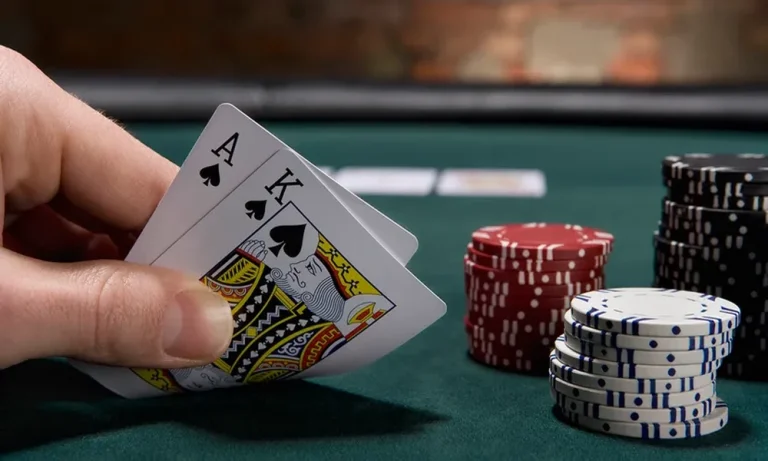
You find an open seat, drop your cash or chips in front of you, and wait for the dealer to convert it. She’ll count it out in plain view of the eye in the sky, slide chips toward you, and say something like “good luck.” The dealer’s hole card stays face down. You get two cards, the dealer gets two, and the whole game is a slow tug of war toward twenty one without going over.
Your job each hand is tiny: hit, stand, double, or split. Buttons on the felt tell the dealer what you want, and honestly, tapping the felt with two fingers works just as well as saying “hit” out loud. Speak up if you want. Nobody at the table is judging your voice.
The one thing that surprises newcomers is how social it gets. Regulars chat, dealers joke, and the mood stays loose until someone doubles their rent money. Don’t be that person.
Table manners nobody explains to first timers
Picture walking into a room where everyone else knows an unspoken script. Here’s the script:
- Never touch your cards or your chips once a hand is in play. In most shoe games your cards stay face up, and the dealer handles all the moving.
- Signal your decisions with your hand, not just your mouth. Two fingers on the felt means stand. A scratching motion toward yourself means hit.
- Place your bet before the dealer starts dealing. Bets go in the circle in front of your seat, and the dealer won’t start the round while hands are still moving chips.
- Color up before you leave. Push your odd chips forward and ask the dealer to swap them for larger ones. Then cash out at the cage. This isn’t required, but it makes you easier to track and looks polished.
Also worth knowing: tipping is normal but never expected. A dollar chip on a winning hand reads as generous and keeps the table warm.
Pick a table by the rules, not the vibe
The single biggest thing a new player can do is read the little sign on the table before sitting down. It tells you the minimum bet and often the blackjack payout, which is usually three to two. Avoid any table paying six to five on a natural blackjack if a three to two game is open. That difference sounds small. It isn’t.
Minimums swing a lot. Weekday afternoons at resort casinos in this part of the country tend to run lower than Saturday nights, and a five dollar table beats a twenty five dollar table for anyone still learning the game. One quick industry note: casino employees largely fall under federal wage and hour rules, so the dealers working your table are doing a regular job with regular protections. The U.S. Department of Labor oversees those standards. It’s a small reminder that the person dealing your cards is at work, not hosting a party.
The budget math I actually run before I sit down
Most casino advice tells you to “set a limit.” Useless. Here’s a method instead, one I call the Three Stack Rule, and it’s saved me from more dumb nights than any strategy chart.
Stack one covers your minimum bets for about an hour. Stack two is your doubling and splitting money, since those moves require matching your original bet. Stack three stays in your pocket, untouched, and it only comes out if the first two are gone and you still want to play.
When stack three is gone, you’re done. Not sad, not reckless, just done. The math works because blackjack hands move fast, and a hundred dollar buy in at a ten dollar table disappears quicker than people expect.
The game doesn’t owe you a comeback. A limit you actually honor is the only thing standing between a fun night and a story you won’t want to tell.
A short strategy cheat sheet for your first table
You don’t need to memorize a chart. These five calls cover most hands you’ll see, and they’ll keep your losses boring:
- Stand on 17 or higher. No exceptions, no feelings about it.
- Hit anything 11 or under. You can’t bust a hand that’s under twelve.
- Hit 12 through 16 when the dealer shows a 7 or higher. Dealer hands in that range are strong, so you have to chase a better total.
- Stand on 12 through 16 when the dealer shows a 6 or lower. The dealer is more likely to bust than you are.
- Double down on 10 or 11 when the dealer’s upcard is weak. That’s when the extra bet pays for itself.
That’s it. Follow those and you’ll play correctly on the large majority of hands, which puts you ahead of plenty of people at the table who’ve been playing for years.
Where you play matters too, mostly because it changes the night around the game. Northern Minnesota has real options once you leave the Twin Cities, and a lot of first timers stack a card session onto a weekend of hiking or lake time. Public land in the region stays open year-round, and a surprising amount of it sits close to the major resort corridors. The Minnesota National Forests Council keeps tabs on that access. So you can spend the morning on a trail and the evening learning to play blackjack near Superior, WI, without the trip feeling like two separate outings.
When to walk away, and what to bring
Set a stopping point before you sit down. Mine is simple: when I double my original buy in, I color up and leave. Winning feels endless while you’re in it. It isn’t.
Bring cash, since not every table takes cards, and leave the phone in your pocket. Calls at the table interrupt the dealer’s rhythm and annoy everyone. Dress however you like, though a jacket beats a hoodie if you’re heading to a nicer venue afterward.
Beyond the mechanics, a table game trip is mostly about pacing. Order a drink you’ll actually sip. Watch a round before you buy in. Let the table warm up to you before you start asking the dealer questions. Give it an hour and the nervous feeling fades into something close to fun.
Your first time at a blackjack table doesn’t need to be perfect. It needs to be comfortable enough that you’d do it again. Pick a low minimum, follow the five calls above, honor your stack limit, and the rest takes care of itself. Are you ready to pull up a chair this weekend?