
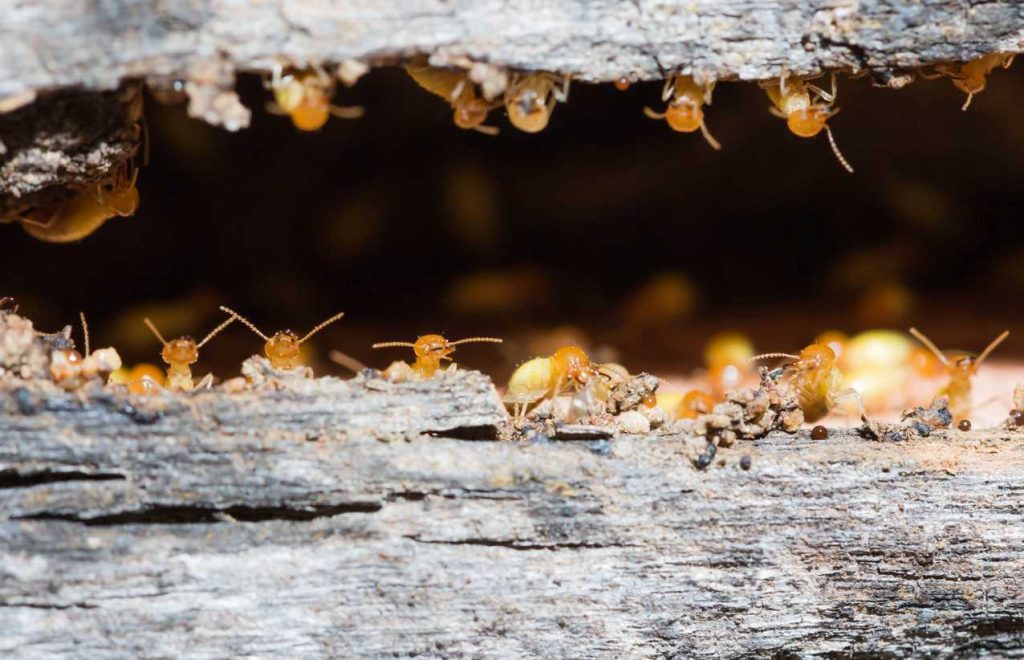
For homeowners in Kent, you know the drill—first November rains hit, and basements are suddenly a different place. That stale odor grows, moisture condenses on cold surfaces, and in the span of days, you may discover unwanted visitors scuttling over the concrete.
Especially given that Kent averages November precipitation is around 5.2 inches, making basements prime real estate for pests looking to escape the cool, wet weather. Not to mention, the clay soil around the Green River valley definitely did not do the area any favors, with water pooling around foundations instead of quickly draining away.
And this provides a recipe for disaster when pests transition from occasional room appearances to full-blown infestations in mere weeks. Though traps may kill a few stragglers, early diagnosis is important to determining the root of the problem and can save you from dealing with structural damage and health risks later. Search for the right expert by typing pest control near me on your phone.
Why Early-Winter Rain Hits Kent Basements Harder Than Other Seasons
Kent, stuck down in the valley, finds itself particularly susceptible early in winter. The rains of November present a stark contrast to the gentle baths of spring, often unleashing the same amount of water in a day or two–2-3 inches in 48 hours is common.
This is not a normal moisture migration through your basement after months of acclimation, as it does through normal wet seasons. It also cools off quickly, sending those outdoor bugs looking for a warm place to be at the same time your foundation is taking on moisture from the ground.
Soil with clay around most of Kent will swell when wet, and the pressure of the surrounding soil on the basement walls creates fine cracks that were not there in the summer. These new access points are now in play, and coupled with some alarmed pests & an unexpected increase in humidity, these are behaviors you just do not see during the other months that we get rain all year.
Pests That React Immediately to the First Big Rainfall
- Carpenter ants: These are not the sweet-toothed ants you might think of. They are attracted to wood with excessive moisture and can sense the water-saturated area of the structural components of your basement. Over time, they will tunnel out wooden supports once they have created a colony.
- Millipedes: Long after rain raises the soil moisture level, the multi-legged also roll in waves to drier ground. Any morning after a hard rain, you will find them, dozens of them, curled up by the basement door threshold or in the window well.
- Silverfish: Humidity is their trigger. These ancient insects inhabit dark, humid places, and they can feed on the microscopic fungi that develop on cardboard and paper that are around in damp basements.
- Spiders: They go after their food source. Spiders aren’t far behind when other insects move into your basement, spinning webs in the corners and along ceiling joists.
- Sowbugs and pillbugs: These crustaceans are dependent on being moist to breathe. They go hunting for spaces that are just cave-wet enough to accommodate them, and your basement is perfect.
When to Bring in a Professional for Basement Moisture Pests
If you just spot one or two bugs near the basement stairs, you might not have to call for reinforcements. However, if the pests are visible during the day — that is, when they hide — that signifies an infestation and much more than you may think.
A small red flag is if you seem to notice different types of pests together, which suggests that your basement environment is conducive to a greater variety of pests than you want there. At Saela, they work with many Kent homeowners on circumvention pest issues related to moisture, because valley living and seasonal flooding patterns create unique challenges here.
Make sure to get in touch with them and stay pest-free!


