
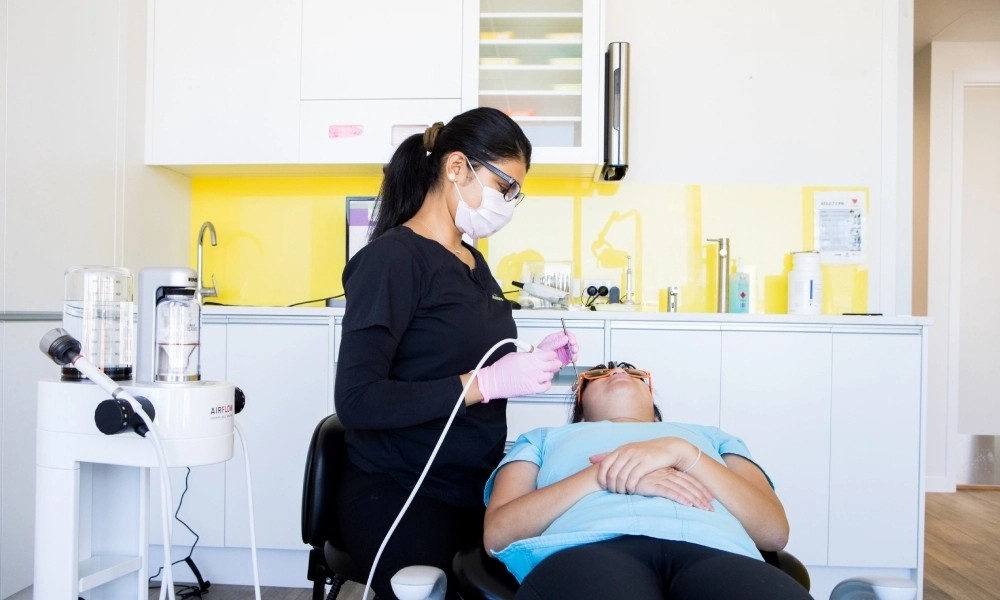
While teeth may seem simple from the surface, they contain incredibly complicated and sensitive structures within that may vary greatly from one person to another. Root tubes may twist, divide or even develop complex networks that make treatment difficult. In some situations, you need to utilise unique strategies to make sure things move well. The way dentists treat such complex situations is a lesson in the importance of precision, planning and high-tech gadgets in today’s dentistry.
Comprehending The Intricacies Of Tooth Anatomy
Inside each tooth is a distinct form. Root canal forms are widely discussed in textbooks, but they don’t always match actual occurrences. Some teeth have additional apertures that are difficult to discover, while other teeth may have pathways that are either sharply curved or very tiny. In particular, molars typically contain more than one root and secretory tubes, complicating therapy.
Not merely regular variations are tooth forms that are hard to explain. Trauma, previous dental operations, or long-term diseases may also alter the internal structure even more. Such alterations might result in blockages, hardening or abnormal canal formations which have to be cautiously negotiated during therapy.
Unique Tools Use
When it comes to working with tough tooth structures, you need equipment that is flexible and simple to deal with. Older devices may struggle with narrow or curved tubes, while modern nickel-titanium devices are able to curve to match the natural contour of the tooth. These instruments are rather bendy, so they are less likely to harm the walls of the canal.
Not only are the modern instruments more versatile, but they also do a superior job of cleaning and structuring the canal system. This ensures that even the most complex locations are managed effectively, reducing the possibility of the infection returning.
Better Magnification And Visibility
The use of expansion is one of the most significant advances in dental treatment. Doctors are able to view things that individuals cannot perceive with the naked eye using a dental surgery microscope. This clearer eyesight is particularly useful while dealing with complex buildings, since it increases the ability to detect hidden pathways and minor fractures or breaches.
Magnification not only enhances precision but also improves the effects of therapy in general. This makes cleaning, shaping and sealing the tube system simpler, which is highly vital for long-term success.
Watering And Cleaning Properly
When repairing complicated characteristics, it is extremely necessary to clean the interior of the tooth. Reaching all the elements of a complex tube system could require some non-standard approaches. For a complete clean, modern watering techniques employ unique chemicals and stimulation methods.
Ultrasonic or sound waves are used to energise the cleaning solution, enabling it to penetrate deeper into the canal network, removing more garbage and bacteria. This approach is particularly useful when the tissue is not linear or is hard to access.
Expertise And Change Mid Treatment
Problems you did not anticipate may arise as therapy goes on. Maybe a waterway has more bends than we imagined, or more branches. This is where the importance of expert endodontist care is evident. Skilled professionals are trained to adapt their technique in real time to ensure that all aspects of the canal system are addressed.
It is crucial to be able to adjust to difficult circumstances. It ensures that even difficulties that arise out of the blue are handled with care and trust, which reduces the danger of complications.
New Methods Of Filling And Sealing
After the canal system has been cleaned and formed, it has to be sealed to prevent re-infection. It might be difficult to obtain a complete seal in intricate circumstances because of the strange shapes and concealed spots. Nowadays, the filler materials are manufactured to flow into these gaps and create a tight, durable seal.
One way of providing a filler material that can adapt itself to the walls of the canal is warm vertical compaction. This keeps all the vacant regions full so that germs stay away for a long period.
Conclusion
Expert know-how, specific instruments and the latest technology are needed to treat teeth with challenging structures. Every step from decent photographs to proper equipment and flexible procedures is extremely vital to get good outcomes. As dental treatment advances, these techniques assist in preserving natural teeth that might otherwise fail, providing patients a safe approach to keep their teeth healthy for the long term.
